
Giving Your Cat Clean and Fresh Water

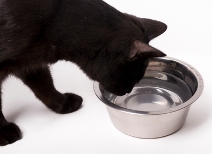
Water is essential to all living things, and the cat is no exception to this rule. Like most mammals, a cat's body is composed of 2/3 water. Water is critical to every system in the body. This includes the cardiovascular system, the nervous system, digestion and energy metabolism, and kidney function. Without sufficient water, dehydration and eventually death will result.
How Much Should My Cat Drink?
To understand your cat's water needs, let's review some basic biology. Your cat's distant ancestors were desert dwellers. They got most of their water from their prey, birds and small mammals, which are also composed of 2/3 water. There was little or no need to drink water on the side.

Fast-forward to today's house cat, eating commercial cat food. Canned or "wet" food contains a high percentage of water, similar to a cat's ancestral diet. If the mainstay of a cat's diet is wet food, the cat will naturally drink less water, perhaps only 1-2 ounces daily. In fact, you may rarely see her drink at all. Dry food, on the other hand, contains only about ten percent water. If a cat eats all or mostly dry food, he or she must drink more, several ounces of water a day, to meet dietary requirements.
Several factors, including environment, age, and health status, may increase your cat's water needs. Hot weather or exercise can make a cat thirstier. Certain health conditions, such as kidney failure, hyperthyroidism, and diabetes, deplete the body's fluid stores and will sharply increase a cat's need for water.
Here are some ways to tell that your cat's water intake is on target. For specific guidelines tailored to your individual pet, please consult your veterinarian:
- Your cat is active and content. His fur is shiny and there isn't a lot of dryness or flakiness.
- Trends are the most important. If a cat that rarely seemed to drink is suddenly frequenting the water bowl, drinking for longer intervals, and walking around all day with a wet chin; consult your veterinarian right away. Changes in urination habits, which often correlate with changes in drinking behavior, also merit concern. In general, let your veterinarian know about any significant or prolonged changes in your cat's daily vital routines or overall demeanor or appearance.
- Your cat urinates two to three times daily, leaving medium-sized clumps in the litter pan.
- Perform the dehydration test. You know the loose skin at the nape of your cat's neck? Pull it up gently. If it springs right back quickly, your cat is probably drinking enough. If it's slow to recede, your cat may be dehydrated. This is the same test, in fact, used to determine if a person is dehydrated. In humans, the skin on the hand or forearm is used.
You Can Lead a Cat to Water . . .
. . . but making her drink can be a challenge! Your veterinarian may have specifically recommended that your cat drink more water because of a history of urinary problems or other medical issues. But research shows that even healthy cats can fall short on their daily water intake when fed only dry food. Why? One explanation is that, since cats get the vast majority of their water from their prey when in the wild, they're not genetically predisposed to be big drinkers; the signals in their brains that say "I'm thirsty" may not compel them to drink enough water to make up for what they're not getting in their food. Also, unlike dogs, cats are inefficient drinkers; it may require lots of lapping to take in enough water. Feeding your cat an all-dry diet, in effect, places a burden on your cat to drink much more than normal each day.
If your cat does not take in enough water on a daily basis, he may develop chronic low-grade dehydration and an increased risk of bladder problems. For example, insufficient water intake may contribute to the formation of painful crystals and even life-threatening blockage in the urinary tract. Cats require sufficient water (and subsequently urine) flowing through their systems to wash away solids before they have time to accumulate and become an issue.
Tips for Coaxing Your Cat to Drink More
Here are some ways to get more fluid into your cat:
- Provide multiple bowls of fresh, clean water. Water that sits becomes stagnant and filled with food debris and germs. If you wouldn't drink it, why should your cat? Keep bowls clean and refill them twice daily and/or every time you feed your cat.
- Water bowls should not slip or slide around when a kitty is using them. Place a non-skid mat under your cat's dishes if they slide.
- Avoid plastic bowls. Chemicals or detergent in the plastic can leach into the water, giving it an unpleasant taste. Ceramic, glass, or stainless steel bowls are preferred.
- Make sure the water bowl is big enough to allow your cat to get her head into it without having her whiskers brush the sides.
- Take advantage of any water fetishes your cat may have. Allow her to drink from the running faucet after you shower or brush your teeth. Put a second glass of water on the table just for her. (See note below about tap water and filters.)
- Water filters help block out chemicals in your tap water that could be harmful to your cat. You can find out which chemicals are used in your water supply and check with your veterinarian to see if any of them pose a danger to your cat. Water filters also help prevent residue and sludge in old plumbing from seeping into the drinking water. You can buy inexpensive filters that attach to the faucet or go inside water pitchers, or you can invest in more comprehensive water treatment systems. Note that softened water is different than filtered water and is not recommended for your cat because the salts used to soften the water may be harmful to drink.
- Bottled spring and distilled water are alternatives to filtered water.
- Drinking fountains are a great way to provide your cat with a continuous stream of fresh, running water. Cats, like humans and probably many other species, may instinctively associate moving water with safe, clean water. In addition, many cats are somewhat fascinated with running water. As a bonus, the charcoal filter in the water fountain eliminates bad odors and tastes that often make cats reject the water bowl.
- When feeding wet food, you can sprinkle a little extra water on top of it. This is not recommended for dry food that will be left out for free feeding because the food may spoil if wet.



You May Also Like These Articles:
Urinary System Blockage in Cats
Should You Get Your Cat a Water Fountain?
Should Cats Get Tap or Filtered Water?
Dehydration in Cats: How Can You Tell If a Cat Is Dehydrated?
Polycystic Kidney Disease (PKD) in Cats
Notice: Ask-a-Vet is an affiliated service for those who wish to speak with a veterinary professional about their pet's specific condition. Initially, a bot will ask questions to determine the general nature of your concern. Then, you will be transferred to a human. There is a charge for the service if you choose to connect to a veterinarian. Ask-a-Vet is not manned by the staff or owners of CatHealth.com, and the advice given should not delay or replace a visit to your veterinarian.
 Facebook
 Twitter