
How To Know When Your Cat Is Sick

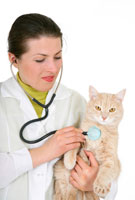 Cats are very stoic by nature. This comes from generations of life in the wild. Small felines—both predators and prey—instinctively hide signs of weakness lest they become someone's lunch. This impulse is highly useful in the wilderness, but not so relevant to the modern cat's lifestyle. A cat may keep her sickness a secret until her body can no longer cope. Suddenly, you have a very unhappy kitty on your hands.
Luckily, cats do give hints when they're not feeling well. The better you know your cat—her habits, appearance, and behavior—the more apparent these signs will be. Noticing signs of illness and intervening right away could mean the difference between life and death for your kitty.

Common Signs of Illness in Cats
The following are common signs of sickness in cats. This list is not exhaustive, nor is it a substitute for professional veterinary advice. Please note that these signss are more worrisome in a very young, very old, or otherwise frail cat, since they have fewer defenses when illness strikes. If your cat is doing something that worries you, always consult your vet.
Behavior Changes
If your cat's temperament changes unexpectedly, she is probably telling you something. A friendly cat may turn reclusive; a playful cat becomes apathetic; an elderly cat stops jumping into your lap or sleeping on your bed at night. By contrast, a laid back cat may be hyperactive, needy or meowy when he's sick. Since cats are such great pretenders, a behavior change may be your only clue that something is going on.
Changes in Appetite
Changes in appetite are a classic sign of feline illness, although some don't simply stop eating. They may just become picky or switch from preferring dry food to craving only canned. Others may come running at the sound of the meal being prepared only to take one sniff and walk away. Some might suddenly show extreme interest in your food while leaving theirs untouched. Note that a sharp increase in appetite could indicate trouble as much as a decrease(i.e., hyperthyroidism or diabetes).
Increased Thirst
This is a very important sign of illness if you're observant. Most cats aren't big drinkers, especially if they eat a canned food diet. If you see your cat begging at the faucet or hanging by the water bowl more than usual, it could be a sign of diabetes, kidney disease, hyperthyroidism, or a host of other problems. If your cat is drinking more, he should urinate more too. A soaked litter pan or urine accidents outside the box are reasons to call the vet.
Vomiting
Lets face it, some cats are vomiters—whether from hairballs, plant-eating, or the classic “snarf and barf” of eating too fast and bringing food back up. But repeated vomiting over a 24 hour period is not normal and can indicate a serious infection or an intestinal blockage. Chronic, recurrent spit-ups are another concern, especially if they're accompanied by weight loss, lethargy, or diarrhea.
Straining to Urinate
Bladder problems are quite common in cats. Typical signs include frequent trips to the litter pan, labored or painful urination, or bloody or discolored urine. Urine accidents outside the litter pan are another common indicator. Seek immediate veterinary care for a male cat who is repeatedly vocalizing and straining to void. He may have a life-threatening urinary blockage.
Breathing Problems
The signs of respiratory disease in cats can be subtle. Signs to watch for include cough, wheezing, shortness of breath, and shallow, rapid breathing. These signs could be serious if accompanied by additional ones such as lethargy, poor appetite, or fever. Open-mouthed breathing in a cat who is not overheated or stressed is a true emergency.
Fever
Conventional wisdom says to worry if your cat's nose is warm and dry instead of cold and wet. This is not backed up by fact . Cats naturally feel warm to the touch to humans because their body temperature runs higher than ours. Taking your cat's temperature with a thermometer is the only real way to diagnose a fever (see box below). Fever is an important sign of illness in cats that always warrants a trip to the vet.

Bad Breath
An unusually foul odor from a cat's mouth may indicate a painful ulcer or tooth abscess. Problems such as kidney or liver disease can also cause bad breath. Drooling can indicate serious oral disease, nausea, or belly pain.
Dull or Matted Coat
If your feline friend is looking like something the cat dragged in, there could be a problem. Cats frequently stop grooming when they're feeling ill. The fur may appear spiky, matted, or have dandruff. Liver, kidney, or intestinal disease, as well as simple dehydration, can make coat and skin look unhealthy. A cat with oral disease may have stinky fur because of transfer of mouth bacteria to the coat during grooming.
Lumps and Bumps
A tender, localized swelling, particularly in an outdoor cat, could be a bite wound abscess. Growths and tumors can occur as cats age, and they are often benign. But those that grow quickly, ooze or bleed, or are tender to the touch are signs that your vet should check without delay. This is especially true of growths that develop on a female cat's belly. Breast cancer in female cats is common and aggressive.
Lameness
A subtle lameness can be hard to detect in the average house cat, who lounges for 18 hours per day. Be alert to obvious signs such as limping or refusal to touch a paw to the ground. More subtle signs include: a hitch in the stride, hesitation before jumping, or stiffness when rising or settling into a reclining position. Cats are so good at pretending nothing's wrong that if you see signs of lameness for more than 24 hours, it's time to call the vet. Common causes of lameness in cats are a sprain, fracture, infection, tumor, or arthritis.

Neurological Signs
Weakness, stumbling, falling, head tilt, disorientation, loss of consciousness, and seizures are all serious neurological signs that should be checked by your vet immediately. Signs that come on suddenly could indicate a stroke or intoxication and are true medical emergencies.
Unexplained Weight Loss
Finally, unexplained weight loss—where's there's been no diet or lifestyle change—is a subtle but important sign of illness in cats. Many chronic feline ailments start with this one insidious symptom. Gradual trends are hard to spot when you see your cat every day. Stroke your cat over her back and hips. If these bones are more prominent than before, your cat may be losing weight.
Knowing the common signs of illness in cats can help you and your vet intervene earlier, avoiding more serious problems and costly treatments down the road. You'll have better peace of mind for all of your cat's 9 lives.
How to Take Your Cat's Temperature:
- There are two methods: rectal or ear thermometer.
- The ear thermometer is potentially easier and less invasive, but the rectal thermometer is more accurate.
For the Rectal Method
- Use a conventional digital thermometer (never mercury). An electronic thermometer with a flexible tip may be especially suitable for patients that are likely to struggle or squirm.
- Lubricate the thermometer tip with Vaseline or lubricant jelly.
- Place your cat on a good working surface such as the floor, a bed, or a chair.
- Have a helper firmly hold your cat in a crouching position, with the belly pressed gently against the ground.
- It may help to firmly wrap your cat in a thick towel like a kitty burrito, with tail and head exposed but legs and torso safely restrained.
- Gently lift your cat's tail. The anus is the top hole, a puckered circle right below the tail base. The vagina or penis are located below the anus, in a slit or second hole. DO NOT mistake these for the anus. Serious injury could result.
- Gently insert the thermometer into the anus. Rotate it gently and slowly to ease it in.
- Gradually guide the thermometer to a depth of approximately one inch (or one-half inch in a very small cat or kitten).
- Wait until a beeping noise indicates the temperature has registered.
*A normal cat's rectal temperature is 100-102.5 degrees Fahrenheit.
For the Ear Method
- Use an ear thermometer.
- Position your cat in a comfortable position on your lap or on a suitable working surface.
- Place the thermometer probe as deep as you comfortably can into the cat's ear canal.
- Wait for the thermometer to beep.
*An ear thermometer uses light to measure the temperature of the ear drum, which is a good representation of core body temperature. Inaccuracies can occur due to the probe's position or debris in the ear. It's best to compare rectal and ear temperatures for the first few times to ensure your readings are accurate.

You May Also Like These Articles:
Baseline Vitals in Cats and How to Measure Them
First Aid for Cats: An Overview
Cat Not Using Litter Box? Inappropriate Urination in Cats
Notice: Ask-a-Vet is an affiliated service for those who wish to speak with a veterinary professional about their pet's specific condition. Initially, a bot will ask questions to determine the general nature of your concern. Then, you will be transferred to a human. There is a charge for the service if you choose to connect to a veterinarian. Ask-a-Vet is not manned by the staff or owners of CatHealth.com, and the advice given should not delay or replace a visit to your veterinarian.
 Facebook
 Twitter